The human dimension—what travels further than you know
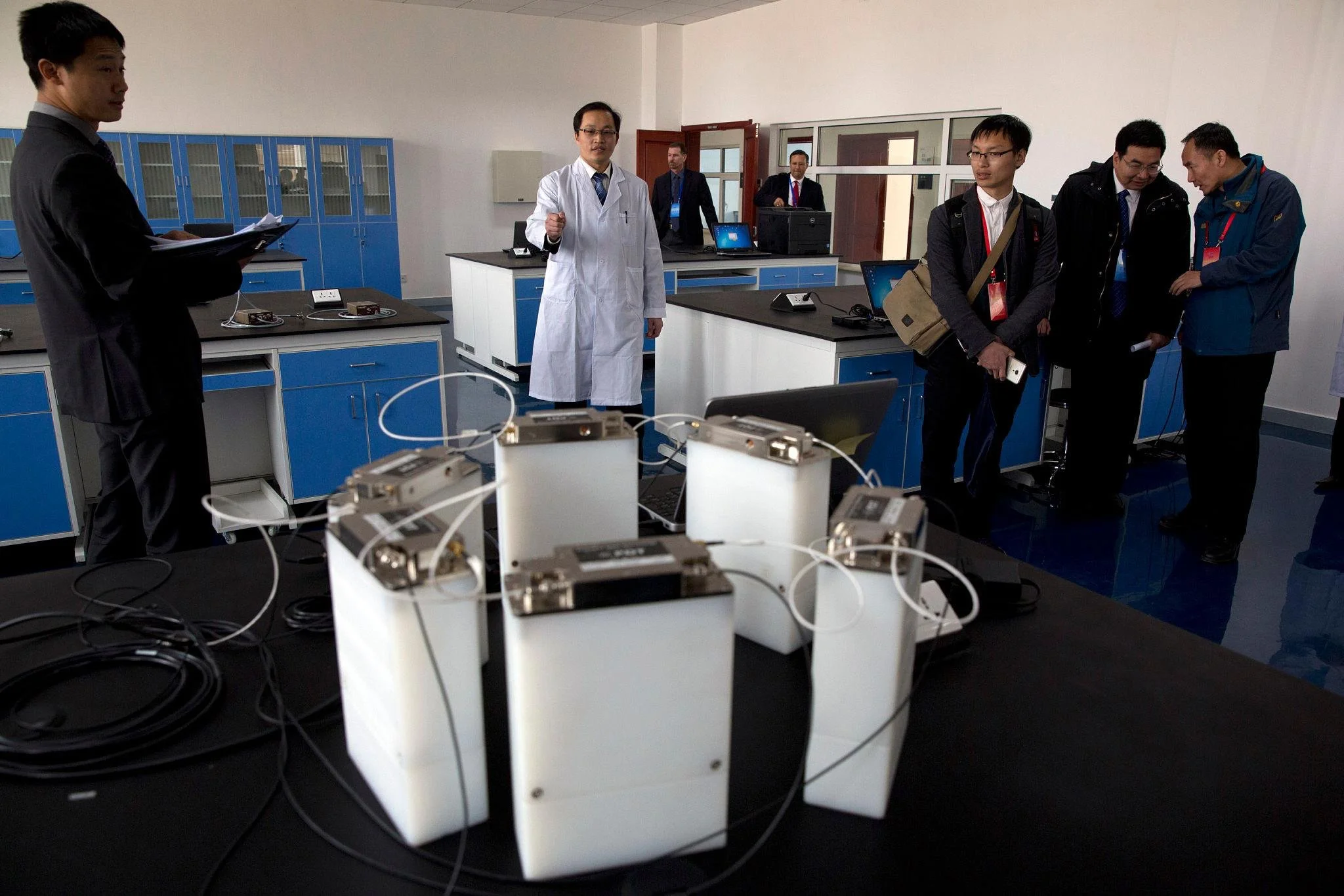
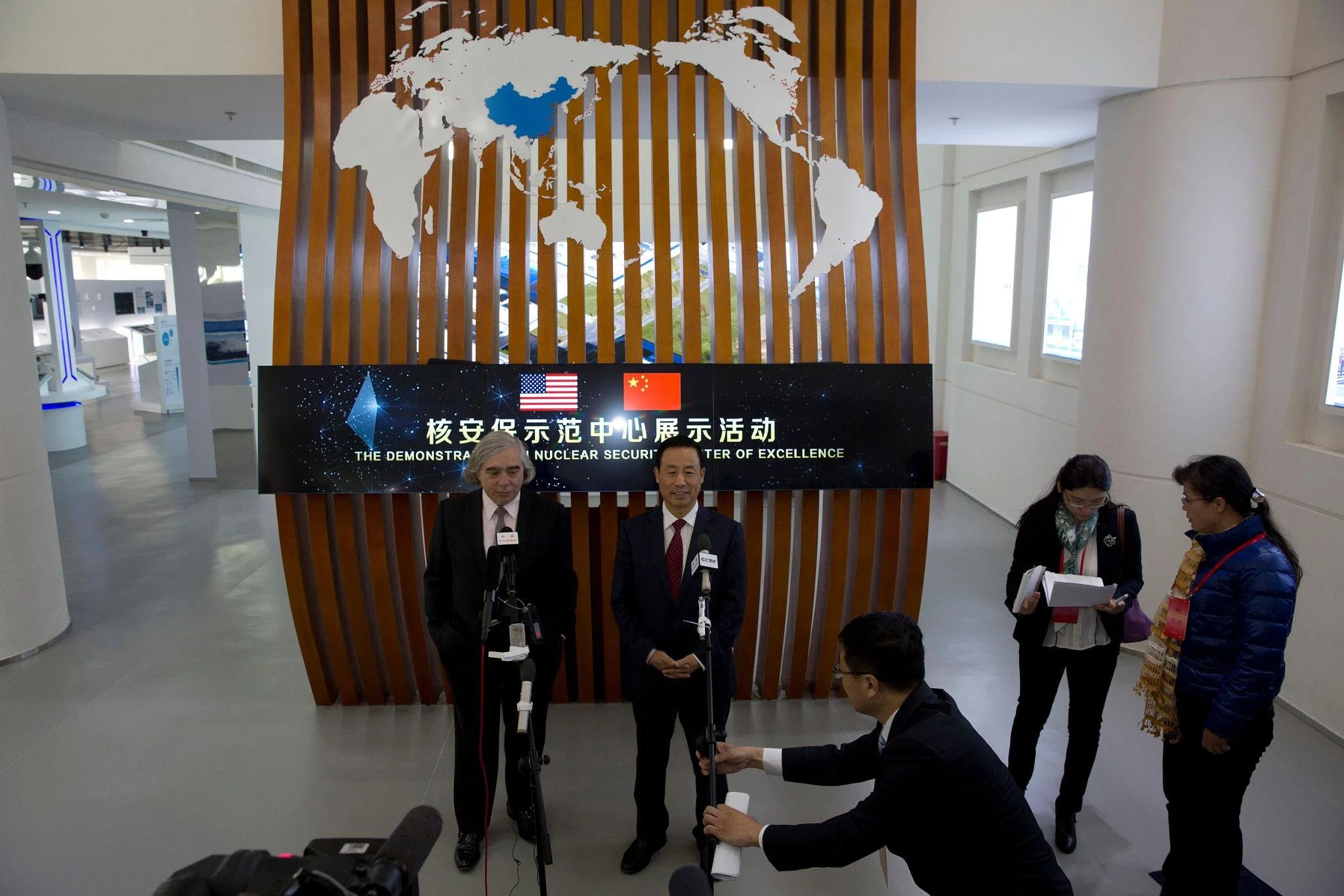
In the mid-1990s, I was part of a small, carefully selected team of non-governmental experts brought in to initiate the first substantive dialogue between the United States and China on nuclear weapons science and arms control. China had recently signed the Nuclear Non-Proliferation Treaty, and its nuclear scientists were engaging in arms control for the first time. These conversations were legally prohibited for government employees. We were received with extraordinary formality and respect. I was usually the only woman on the American side, aside from the translator.
These conversations were legally prohibited for government employees. We were received with extraordinary formality and respect. I was usually the only woman on the American side, aside from the translator.
I took that as an invitation to bring my whole self to the table, not just my credentials.
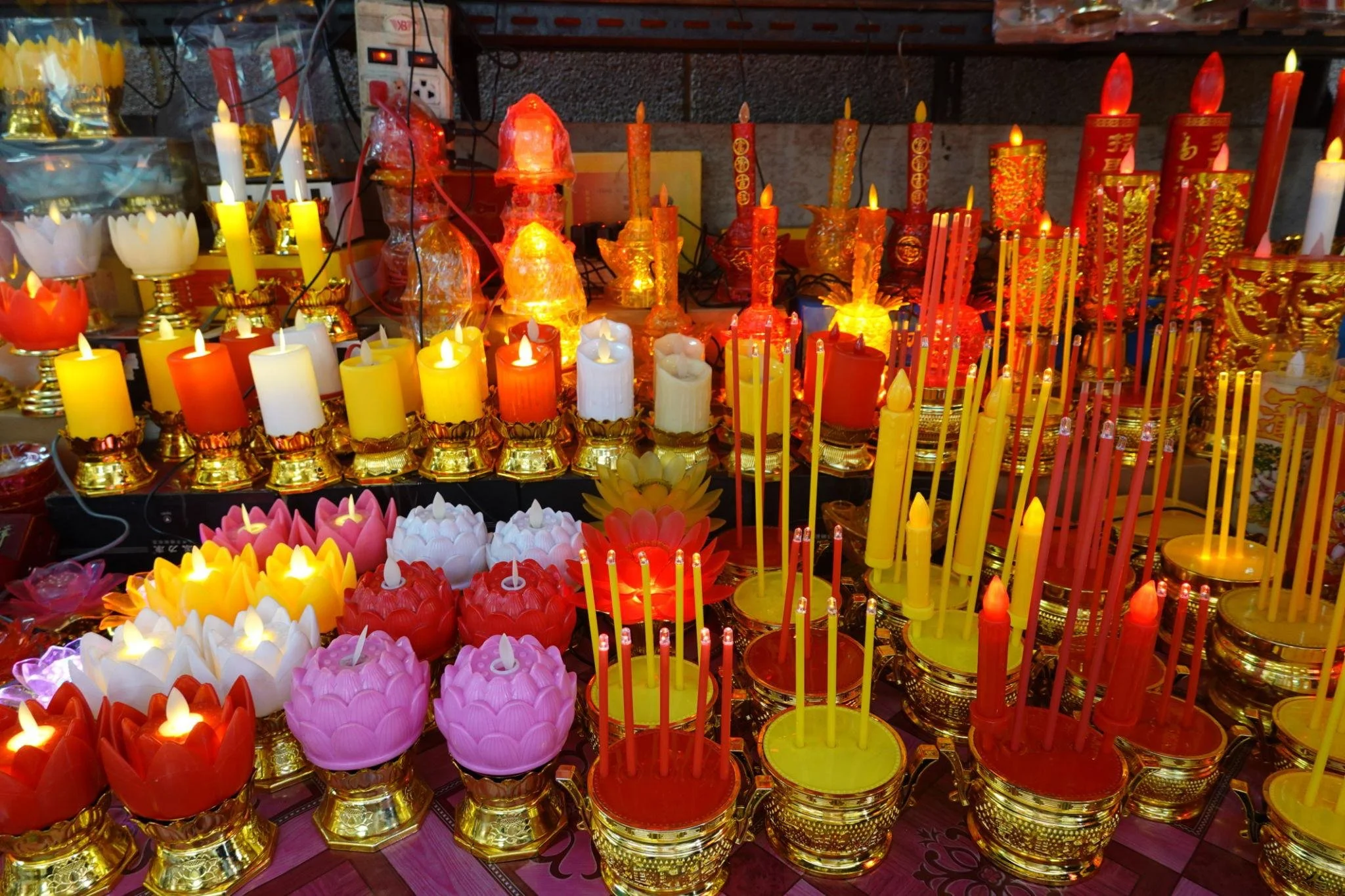
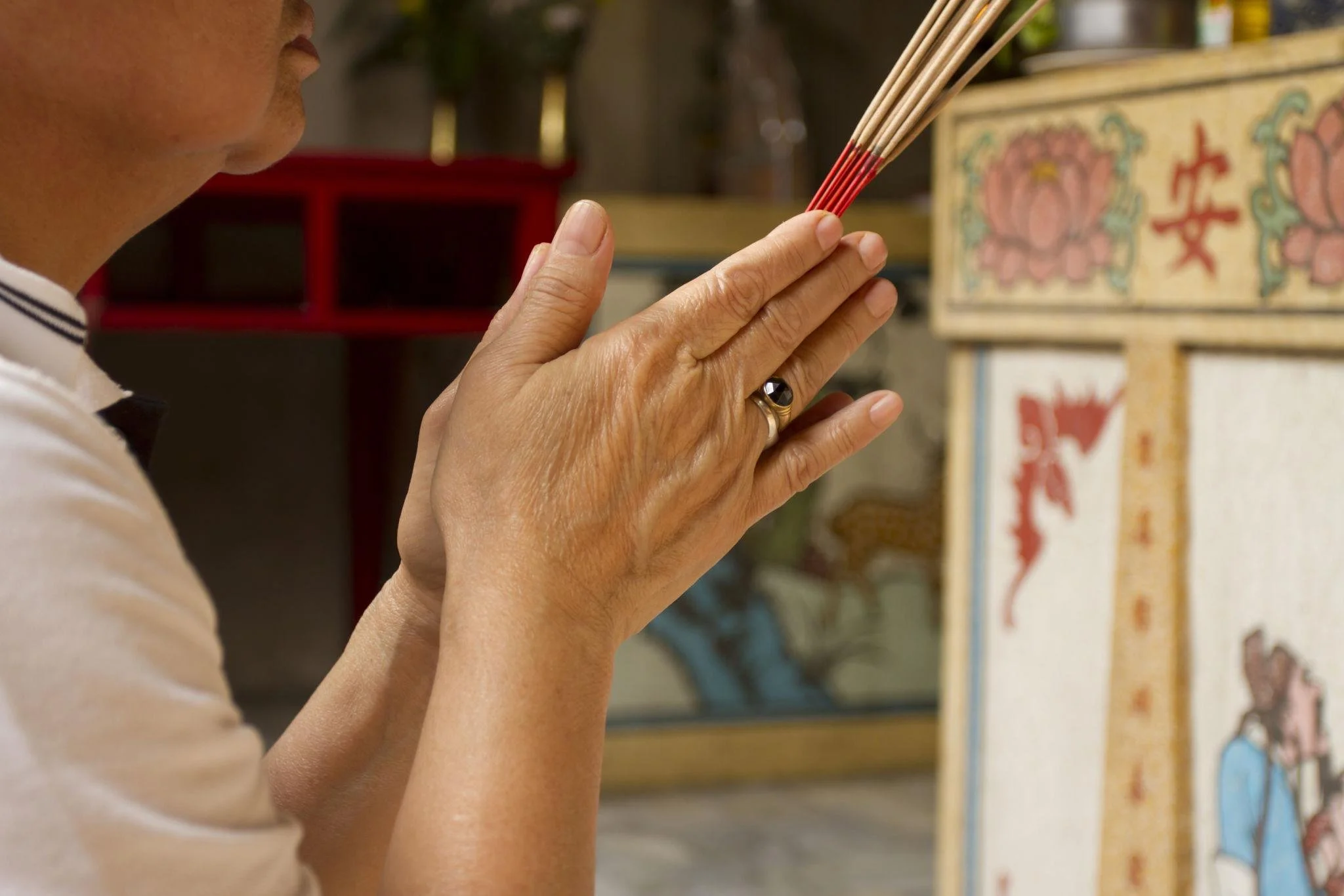
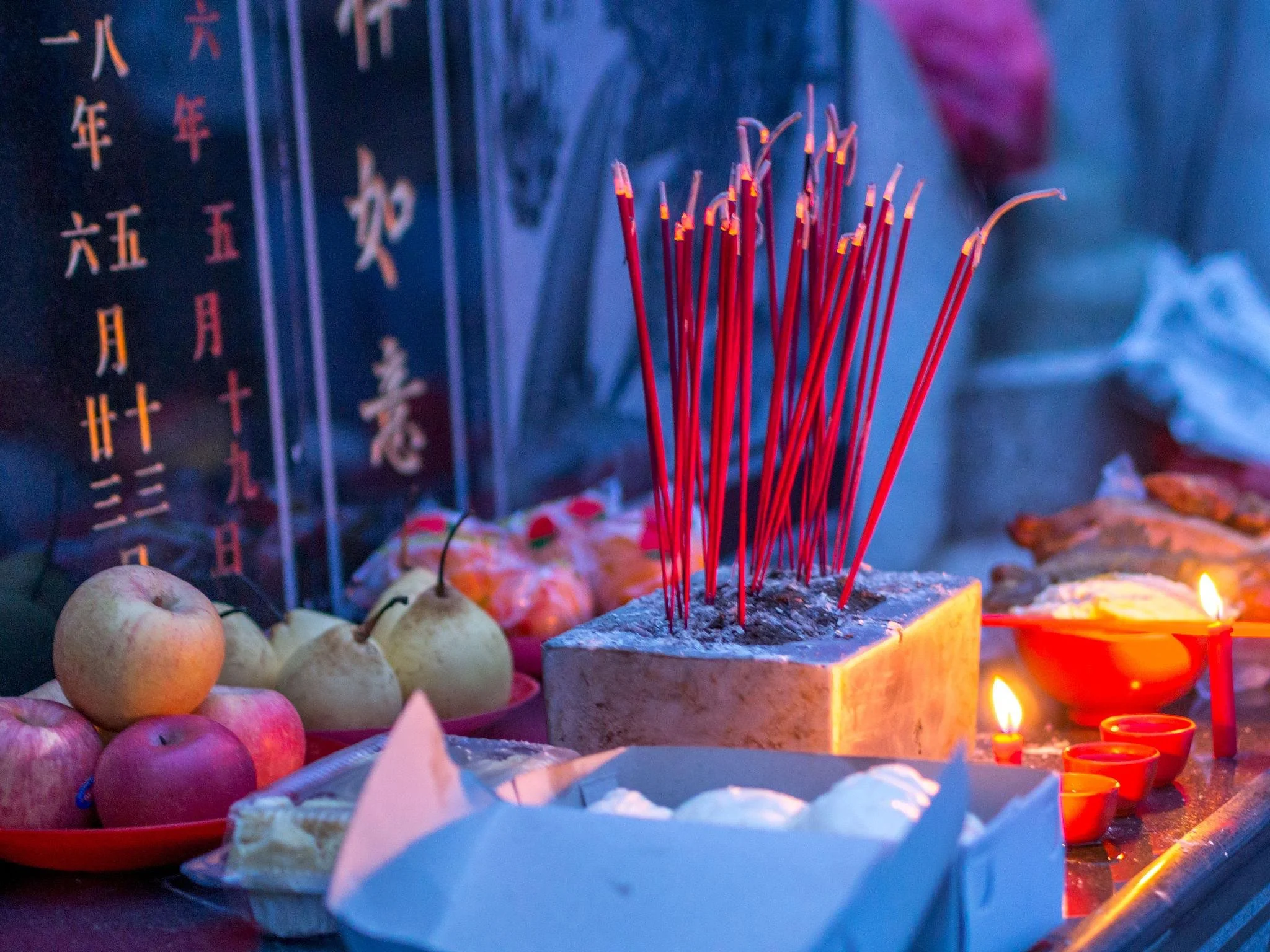
At one point, I asked our hosts to take me somewhere where people were genuinely practicing their faith. Not a museum. Somewhere real. There was noticeable unease. China had recently come out of the Cultural Revolution, and these scientists, some of the few allowed to continue their work during that time, had endured decades of repression in their private lives. My request made everyone slightly uncomfortable, but eventually they agreed to take me. Then something unexpected happened: they all wanted to come too. My asking had given them permission.
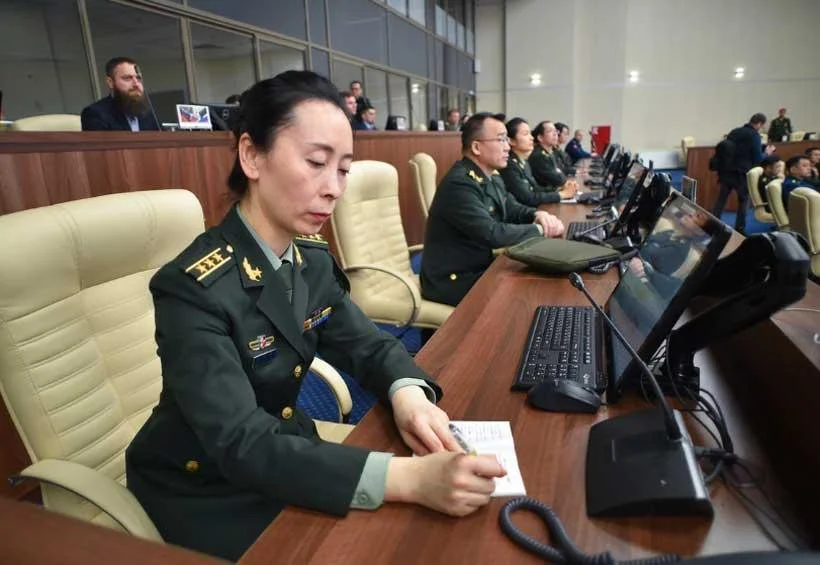
Years later, I learned just how far that moment had traveled. A group of People’s Liberation Army generals visited the Stanford Center for Arms Control and traveled through Albuquerque. I was asked to join them for dinner and couldn’t understand why. After the meal, one of the generals found me in the restroom. She was nearly overwhelmed. She told me that what had happened that day at the temple had spread widely through their community and that my willingness to show a different side of myself had mattered to people I would never meet. When she came to America, she had been baptized and wanted to find someone to tell. I have thought about that moment many times since. The work I do matters. But so does how I do it. Who you are in the room is part of what you bring to the table.